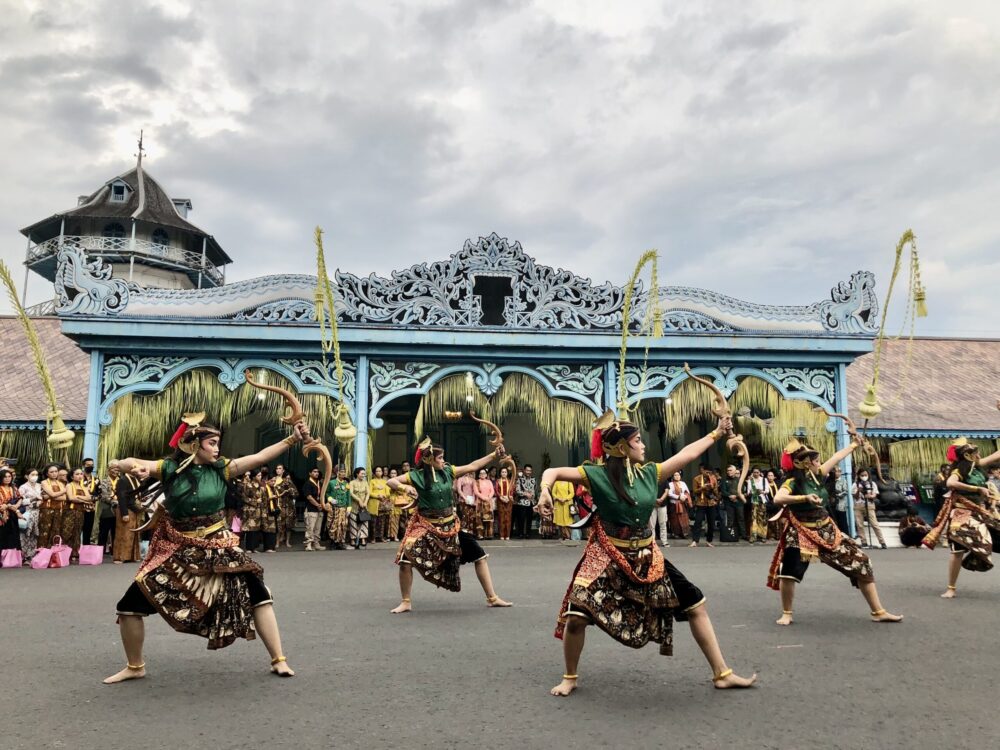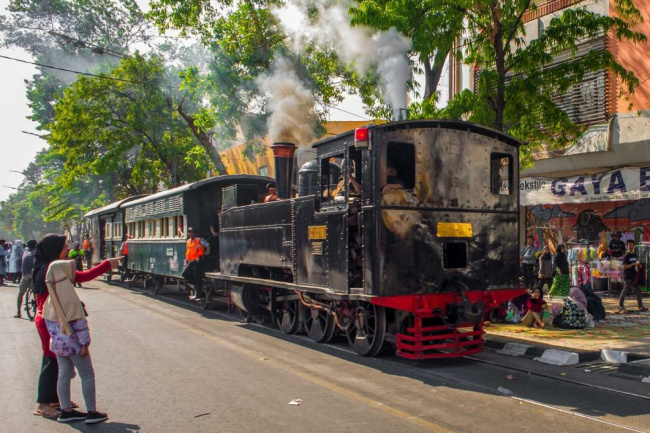
Solo, often called “The Spirit of Java,” beautifully blends timeless Javanese culture with contemporary advancements, creating an enduring charm that truly represents Indonesia.
Solo: Cultured, Welcoming, and Comfortable
Surakarta, or Solo as it’s more commonly known, is a city in the southern part of Central Java, Indonesia. Situated in the middle of Java Island, it’s a strategic and easily accessible point from various directions. Solo is close to Yogyakarta, and offers excellent access by air, road, and rail.
It’s famous for its strong Javanese cultural identity, earning it the nickname “The Spirit of Java.” Covering about 44 square kilometers and home to over 500,000 people, Solo is a well-organized and densely populated city, making it friendly, comfortable, and easy to travel.
Founded in 1745, Solo has grown into a significant cultural, political, and economic hub in Java. It holds a rich history from the Mataram Islamic Kingdom, with notable historical sites like Vastenburg Fort, and Sriwedari Park.
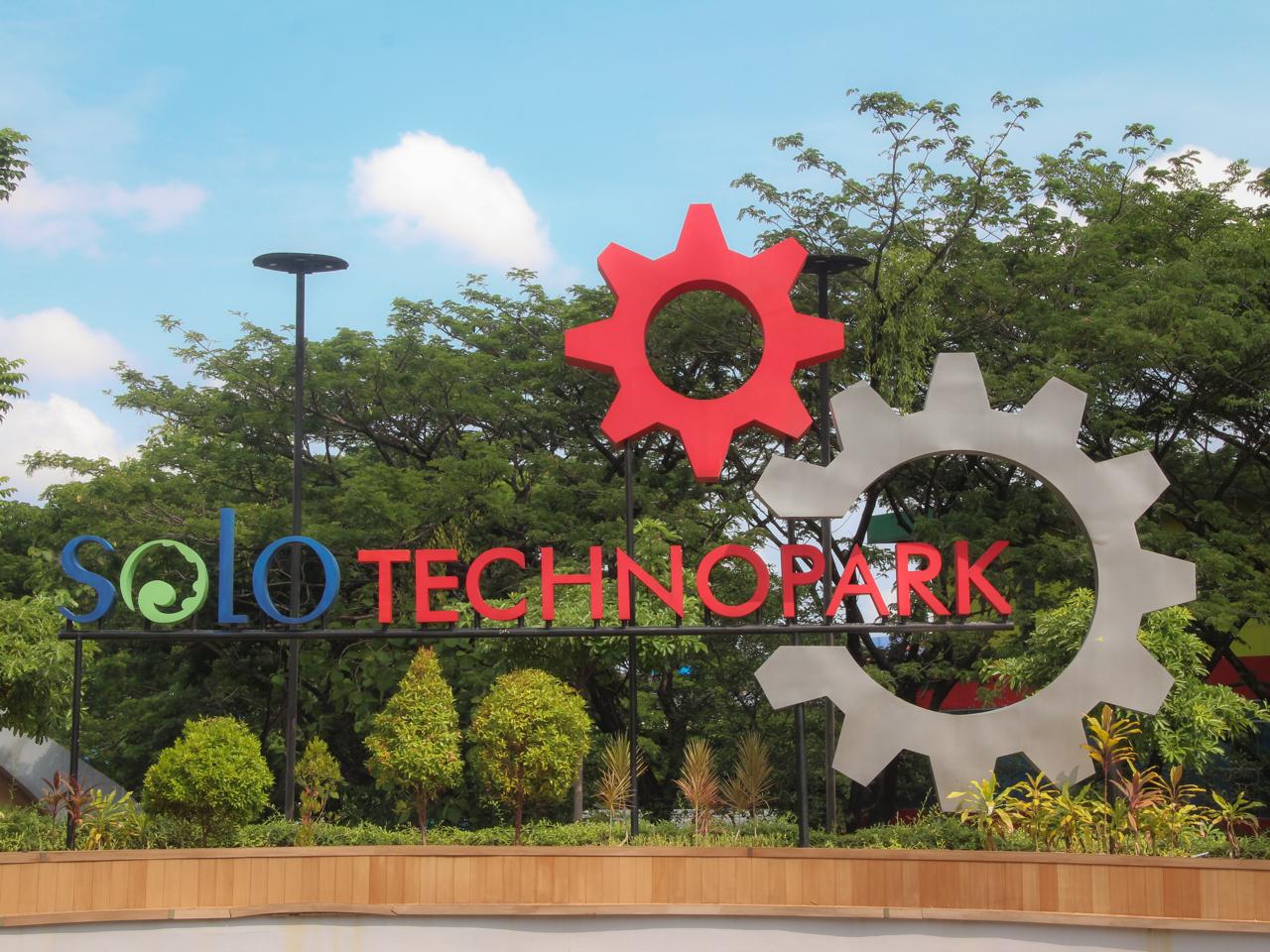
Today, Solo thrives as a modern city while still embracing its Javanese heritage. Modern infrastructure, including the Adisumarmo International Airport, the iconic Solo Balapan Train Station, Solo Techno Park, and a variety of star-rated hotels. Yet, its deep-rooted local wisdom remains vibrant through traditional performing arts like gamelan festivals, and the ongoing innovation in batik design, and production.
With its authentic cultural blend, rich history, and excellent modern facilities, Solo is a destination worth visiting, promising an unforgettable experience for all.
Quick Facts About Indonesia and Solo
Time Difference
Indonesia has three time zones. Solo is in Western Indonesian Time (WIB), which is UTC/GMT +7. It is the same time zone as Jakarta, Bangkok, Kuala Lumpur, Singapore, and Ho Chi Minh City, among others.
Currency and Payments
The official currency of Indonesia is the Indonesian Rupiah (IDR).
- Coins are available in denominations of: 100, 200, 500, and 1,000 Rupiah.
- Banknotes are available in denominations of: 1,000, 2,000, 5,000, 10,000, 20,000, 50,000, and 100,000 Rupiah.
Currently, the average exchange rate against the USD is around IDR 16,300 = USD 1. Avoid exchanging money at unofficial places. Banknotes should be in good condition; torn, ripped, or dirty notes may be rejected.
You can exchange foreign currency in Solo at several locations:
- Adi Soemarmo Airport (SOC) has money exchange services, though rates might be slightly higher than in the city center.
- Official money changers in Solo’s city center, such as around Jalan Slamet Riyadi, Solo Grand Mall, or near Pasar Klewer. You can also check Wise for more options: https://wise.com/gb/currency-exchange/solo
Beyond cash, most transactions in Solo can be made digitally:
- QRIS (Quick Response Code Indonesian Standard) is widely accepted, from small stalls to restaurants, souvenir shops, and online transport. You can pay with QRIS through various e-wallet apps, and mobile banking services.
- International debit and credit cards (Visa, Mastercard) are generally accepted at hotels, larger restaurants, and modern shopping centers, but might not be available at smaller shops or traditional markets.
Tipping
Tipping isn’t mandatory in Indonesia, but it’s becoming more common in larger cities, especially in the hospitality, and tourism sectors.
- Tipping porters, hotel staff, and taxi drivers is appreciated, usually between IDR 10,000 – 50,000, depending on the service’s difficulty.
- In local restaurants, customers sometimes leave a small amount on the table or in a tip box as an appreciation.
ATMs
ATMs are easy to find in Solo, including at shopping malls, the airport, and major hotels. ATMs in Solo generally accept cards from international networks like Visa, and MasterCard. Withdrawal fees vary by bank, but average around IDR 25,000–50,000 per international transaction.
Most ATMs dispense money in IDR 50,000, or IDR 100,000 denominations. Check your daily withdrawal limit and be aware of any additional fees from your card-issuing bank.
Credit Cards
Credit cards like Visa and MasterCard are generally accepted at major hotels, modern restaurants, and some stores. However, most small vendors, traditional markets, and local transport still rely on cash or QRIS payments.
There might be an additional fee of about 2–3% for credit card transactions. Transactions will be charged in Rupiah (IDR), and some places might use Dynamic Currency Conversion (DCC), where the exchange rate follows your card-issuing bank.
Taxes
VAT (Value Added Tax) in Indonesia is 11%, and is usually included in the price of goods or services. However, some restaurants or hotels might add an additional service charge of 5–10%. Always check your bill for tax and service details.
Essential Information for Your Stay
Electricity
The electrical system in Indonesia uses AC 220V/50Hz. Outlets in Solo typically use two-pin round plugs (Type C, F, Europlug). International visitors are advised to bring a universal multi-plug adapter. Many hotels in Solo can also provide international adapters upon request.
Water
You should not drink the tap water. For consumption, use bottled water. It’s widely available at grocery stores, mini-markets, and hotels, costing around IDR 3,000 – 6,000 per 600 ml bottle. In restaurants, water served is usually boiled, or from bottled water. Ice cube is generally factory-made and safe to consume.
Sacred Places & Dress Code
When visiting sacred places, such as mosques (masjid) or the Mangkunegaran Palace, modest and covered attire is highly recommended.
- Avoid wearing shorts, or sleeveless clothing.
- Female visitors should consider wearing a headscarf when entering mosque (masjid) areas.
- Photography is allowed in some places of worship, but it’s always best to ask for permission and avoid using flash, making loud noises, or disrupting ongoing worship activities.
- When entering traditional houses, or sacred places, removing your footwear is a common sign of respect.
Greetings and Gestures
In Indonesia, a friendly smile, and a polite nod are always appreciated forms of greeting in Javanese culture.
Safety
Solo is generally considered safe, and friendly for tourists. However, visitors are advised to keep an eye on personal belongings and respect local norms. Be aware of pickpocketing in crowded places like traditional markets, or public transport. Suggested safety tips:
- Don’t carry large amounts of cash, or display expensive jewelry.
- Avoid walking alone at night in secluded areas.
- Use official or trusted transportation, such as airport taxis or online ride-hailing services.
- Always be polite to locals and follow rules when entering traditional areas or places of worship.
Insurance
For your trip to Solo, it’s recommended to have travel insurance that covers medical services and trip cancellations. Healthcare facilities in Solo are adequate, with several international-standard hospitals. Ensure your insurance policy covers both general and emergency medical treatment.
Some policies may not cover extreme activities like mountain biking or rock climbing, so check your policy details before departure.
Visa
Visa requirements for foreign nationality, depend on their country of origin. Many ASEAN countries, such as Malaysia, Singapore, Thailand, and the Philippines, can enter without a visa for a maximum of 30 days. For travelers from outside ASEAN, like the United States, Japan, or Europe, Visa on Arrival (VoA) and e-visas are available according to Indonesian immigration policies. Make sure to check the official Indonesian Immigration website: https://evisa.imigrasi.go.id/ before your trip.
For participants requiring visa assistance, please contact the Conference Committee at easts16_2025@mti.or.id
Phone and Internet Access
Indonesia’s country code is +62. The area code for Solo is 271, and local numbers have 7 digits (e.g., +622711234567). For mobile numbers, start with 8 (e.g., +62812 3456 7890).
SIM Cards and Internet Access: Local SIM cards are easily available at Adi Soemarmo Airport, operator outlets (Telkomsel, Indosat Ooredoo Hutchison, XL Axiata, and Smartfren), and mobile phone counters in Solo. Foreign visitors need a passport to register a local SIM card.
4G internet is widely available, and some areas already support 5G. Free Wi-Fi is also common in many places like hotels, cafes, and public areas.
Weather
Solo’s weather is characterized by two main seasons: the rainy season and the dry season, following Indonesia’s typical tropical climate. The dry season occurs from around April to October. This period is drier with hot and sunny weather, especially during the day. Daily temperatures can reach 34°C (93.2°F), with lower humidity. This is the best time for sightseeing and exploring the city. However, be sure to bring sunscreen, and stay hydrated as the weather can feel intense.
Emergencies
Here are important emergency phone numbers in Solo:
- Police: 110
- Ambulance / Medical: 118 or 119
- Fire Department: 113
- Solo Regional Disaster Management Agency (BPBD Solo): +622712930383
- RSUD dr. Moewardi (Major Hospital in Solo): +62271634634
Emergency personnel generally only speak Indonesian, so it’s advisable to carry an emergency information card or ask for assistance from a local companion. If you need general help or lose something, the nearest police station or hotel security staff can help guide you.
Government offices in Solo are usually available on Monday to Friday, from 8:00 AM to 4:00 PM WIB.